traceable calibrations
UV calibration for radiometers and UV sensors
Calibrating a UV measuring instrument establishes the relationship between the displayed reading and a traceable reference value under defined conditions. Opsytec calibrates UV sensors, radiometers and complete measuring systems within defined spectral and measuring ranges. Depending on the measuring task, the service is performed as a factory calibration or within the accredited scope. The result is documented with the measuring conditions, the measurement uncertainty and the calibration result.
How a calibration proceeds
- Record the instrument, sensor, accessories and the required measurand.
- Define the calibration procedure and the appropriate spectral range.
- Document the incoming condition and functional state.
- Carry out the comparison measurement against the traceable reference.
- Assess the deviation and, where commissioned and technically possible, adjust.
- State the result, the measurement uncertainty and the conditions in the calibration certificate.
More than 60 calibration and UV lamps with different spectra are kept permanently available, so that calibration can be carried out against a source spectrally close to the later measurement object. For a recalibration the incoming condition is measured as well and stated in the new certificate. We calibrate daily; there are no fixed cut-off dates.
Factory calibration and accredited calibration
| Feature | Factory calibration | Accredited calibration |
|---|---|---|
| Procedure | In our own laboratory against traceable standards | In the accredited calibration laboratory to DIN EN ISO/IEC 17025 |
| Result document | Factory calibration certificate with conditions and result | Calibration certificate stating the measurement uncertainty, with accreditation mark |
| Measurement uncertainty | Stated, without accredited attestation | Stated within the accredited scope and internationally recognised |
| Typical reason to choose it | Recurring checks within your own process | Evidence required by customers, audits or regulations |
The binding scope of the accreditation – measurands, spectral and measuring ranges – follows from the annex to the accreditation certificate of the calibration laboratory (registration number K-20284-01-00). Which instruments are calibrated is shown in the overview of UV meters and radiometers; for instruments from other manufacturers see calibration of third-party instruments.
Interval, repair and spare parts
A recalibration interval of twelve months is a workable starting point for many UV measuring instruments, to be confirmed or adjusted on the basis of drift, operating conditions and the permissible measurement deviation – the reasoning is set out under determining the calibration interval. Repair, spare parts and technical support are handled under service and repair for UV measurement technology.
Calibrated UV sensors
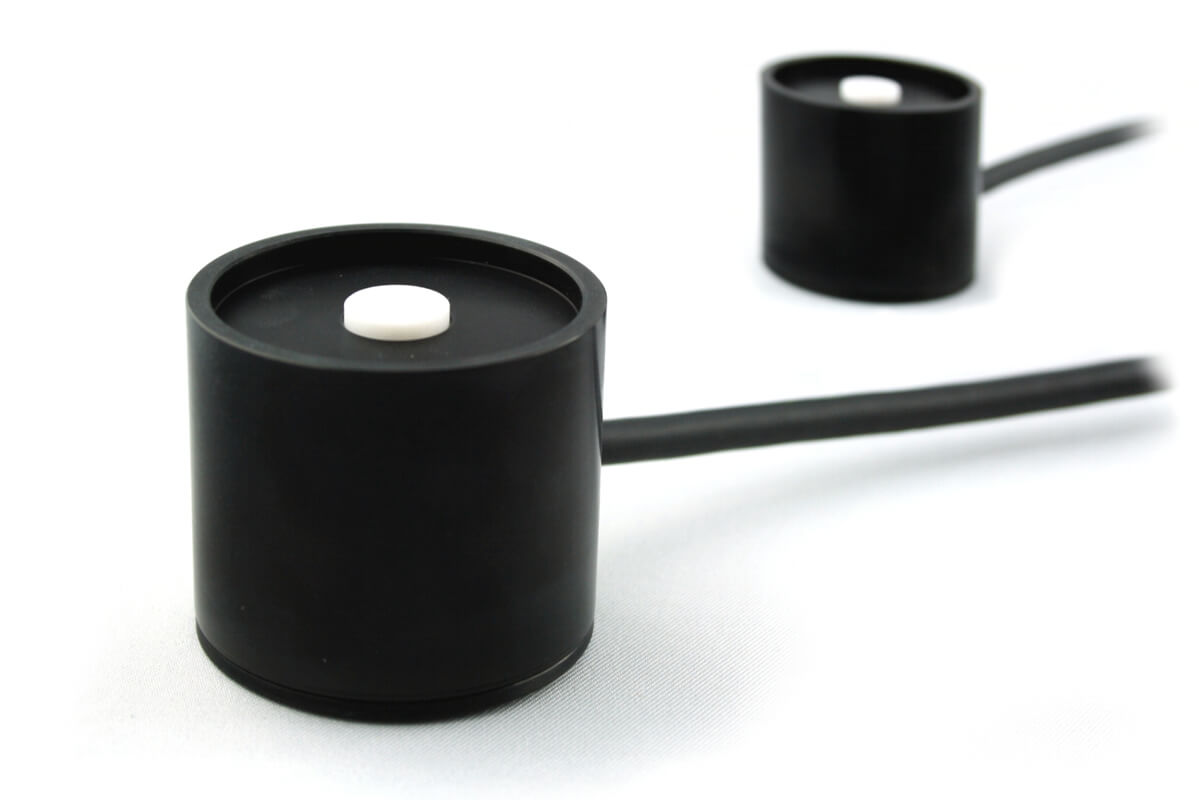
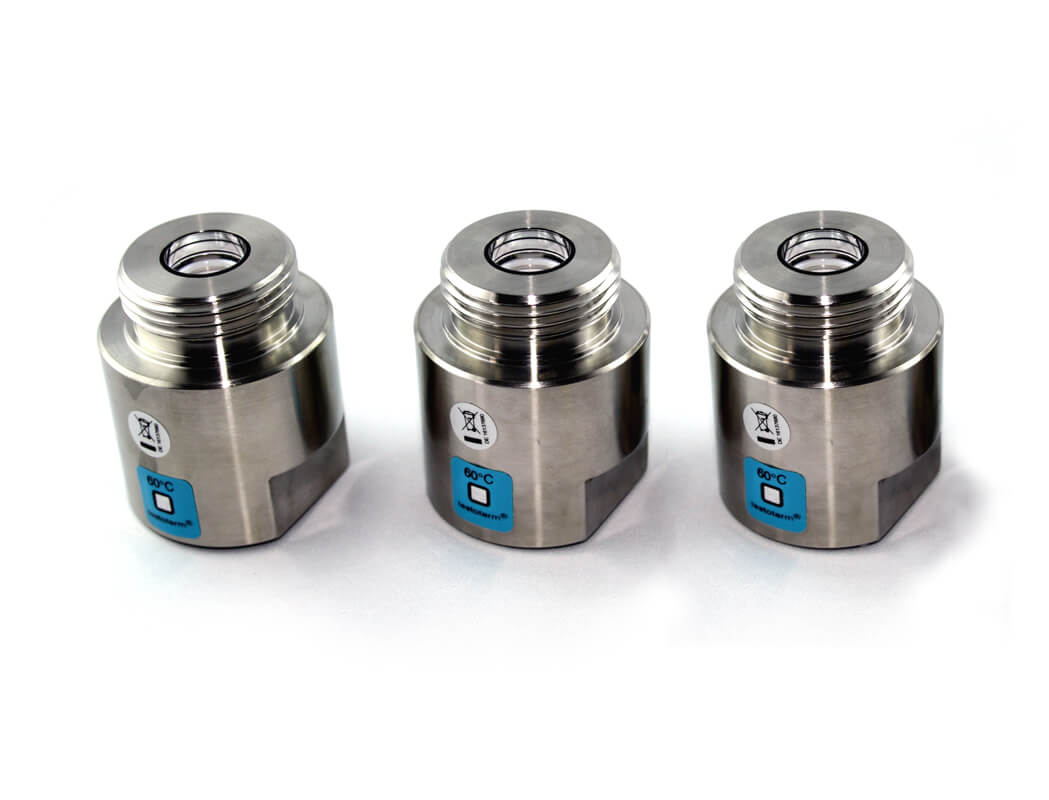
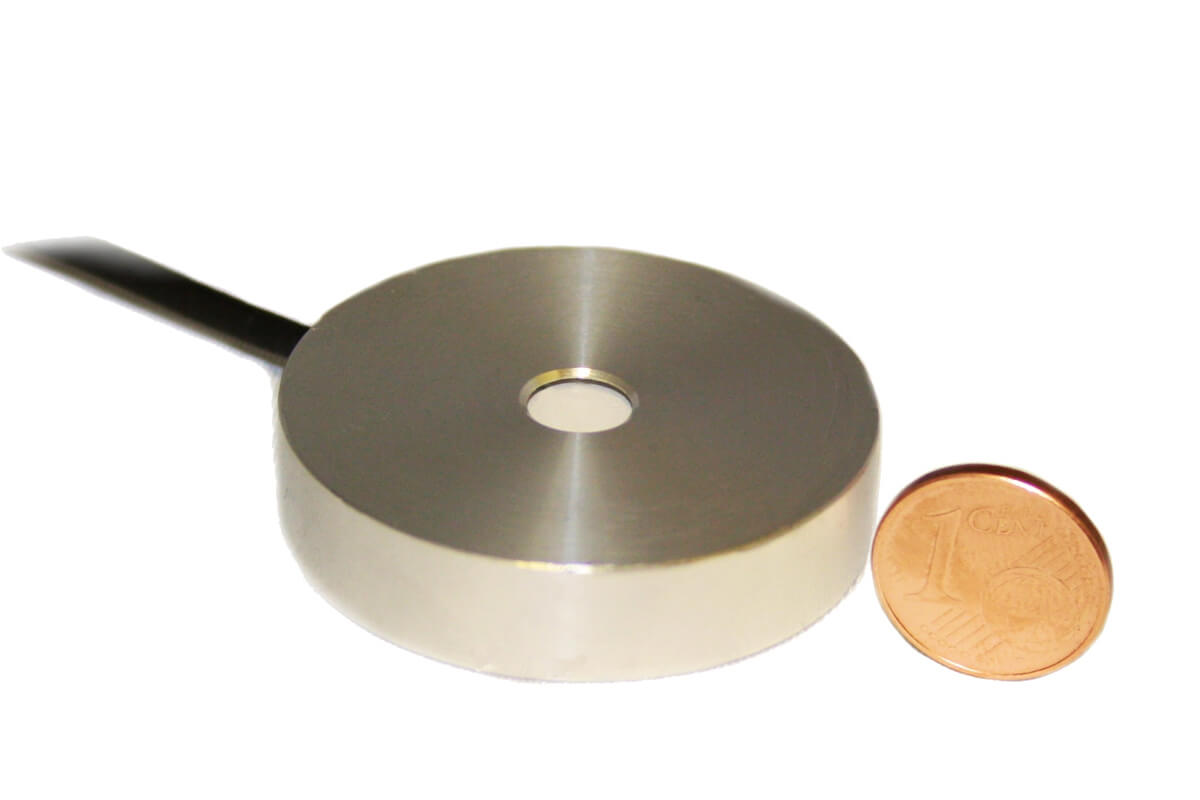
All sensors are supplied calibrated, are interchangeable and can be reordered, and deliver absolute, traceable measured values. The calibrations are traceable to the Physikalisch-Technische Bundesanstalt (PTB) in Braunschweig, Germany’s national metrology institute.
Customer-specific spectral ranges and special calibrations are possible, as is the calibration of instruments from other manufacturers.
Author: Dr. Mark Paravia
Dr.-Ing. Mark Paravia is the managing director of Opsytec Dr. Gröbel GmbH in Ettlingen and heads the accredited calibration laboratory. Following his research on pulsed xenon excimer discharges at the Institute of Lighting Technology at KIT, his current focus is on optical radiation measurement technology. He is vice-chair of the DIN Standards Committee FNL 7 “Optical Radiation,” and a member of the DVGW Project Group on UV Disinfection.