

Photobiology
Measurand: effect-weighted irradiance according to the action spectrum
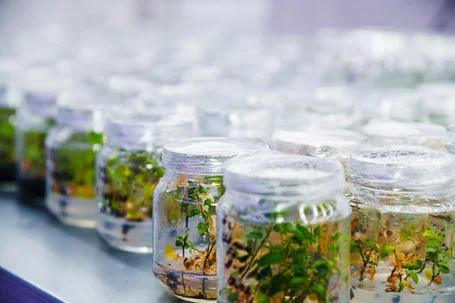
Photobiology studies how optical radiation from UV-C to near-infrared interacts with DNA, proteins and cell structures. The article shows why action spectra and effect-weighted measurement underpin every evaluation.
Water & Environment
Measurand: UVC irradiance, UV transmittance of the medium, fluence
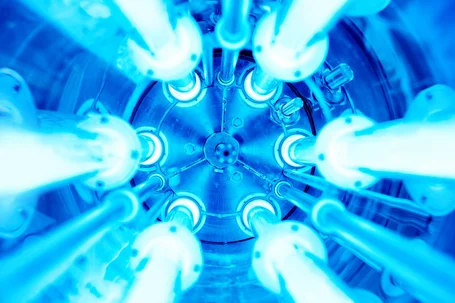
In water and environmental technology UV serves three tasks: disinfection, photochemical breakdown of dissolved substances and advanced oxidation. The article explains how transmittance, matrix and residence time govern the effect.
Plants & Food
Measurand: PPFD and UV dose at leaf or product level
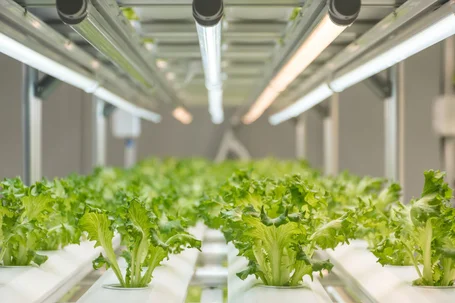
In plant cultivation and food technology UV works only within a narrow window: too little has no effect, too much causes damage. The article describes stimulus and damage thresholds and how irradiation is dosed in greenhouses and processing.
Pharma & Photostability
Measurand: 200 Wh/m² UVA and 1.2 million lux hours under ICH Q1B
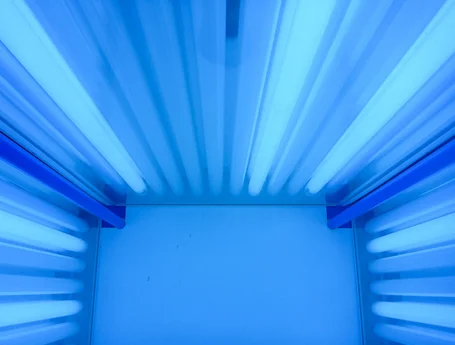
Photostability is a drug substance's resistance to light and near-UV; it is tested under ICH Q1B. The article explains the separate exposure to UVA and visible light and the requirements for chamber and measurement.
Medicine & Phototherapy
Measurand: irradiance at the treatment plane, dose per session
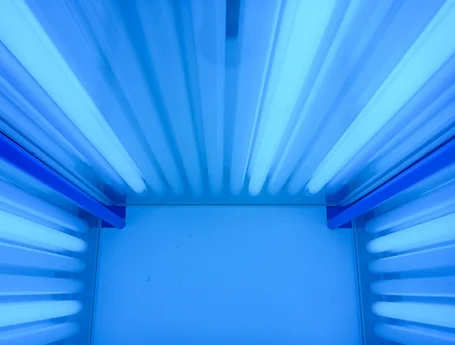
Medical phototherapy exposes skin or tissue to UV or visible light of defined wavelength and dose, for conditions such as psoriasis or neonatal jaundice. The article shows why the dose has to be measured at the treatment plane.