

UVA, UVB and UVC LEDs: technology and measurement
UVA, UVB and UVC LEDs differ in more than their peak wavelength. Material system, efficiency, thermal load, spectral bandwidth, ageing and available optical power all change markedly across the UV range. For a dependable application, LED data therefore have to be assessed under defined current and temperature conditions and complemented by a suitable radiometric measurement at the point of use.
UV LEDs generate ultraviolet radiation in semiconductors of aluminium, gallium and indium nitride. The composition sets emission wavelengths in the UVA (315–400 nm), UVB (280–315 nm) and UVC (200–280 nm); 365 and 385 nm in the UVA, 285 and 295 nm in the UVB and 265 nm in the UVC are common. Measured spectra of individual LED types are available for download from the spectral database for UV lamps and UV LEDs.
The European RoHS Directive restricts mercury-containing lamps; the current state of play is set out under RoHS and UV lamps. Which instruments Opsytec offers as a result is shown under UV-LED light sources.

Production of ultraviolet light-emitting diodes
Electromagnetic radiation is generally generated in III-V semiconductors, i.e. semiconductors made of elements from the third and fifth main groups of the periodic table, whereby the wavelength of the emission peak of UV LEDs is primarily determined by the solid solution composition of the material.
By alloying the semiconductors aluminum nitride (AlN), gallium nitride (GaN) and indium nitride (InN), emission wavelengths in UVA (400 nm - 315 nm), UVB (315 nm - 280 nm) and UVC (280 nm - 200 nm) can be achieved.
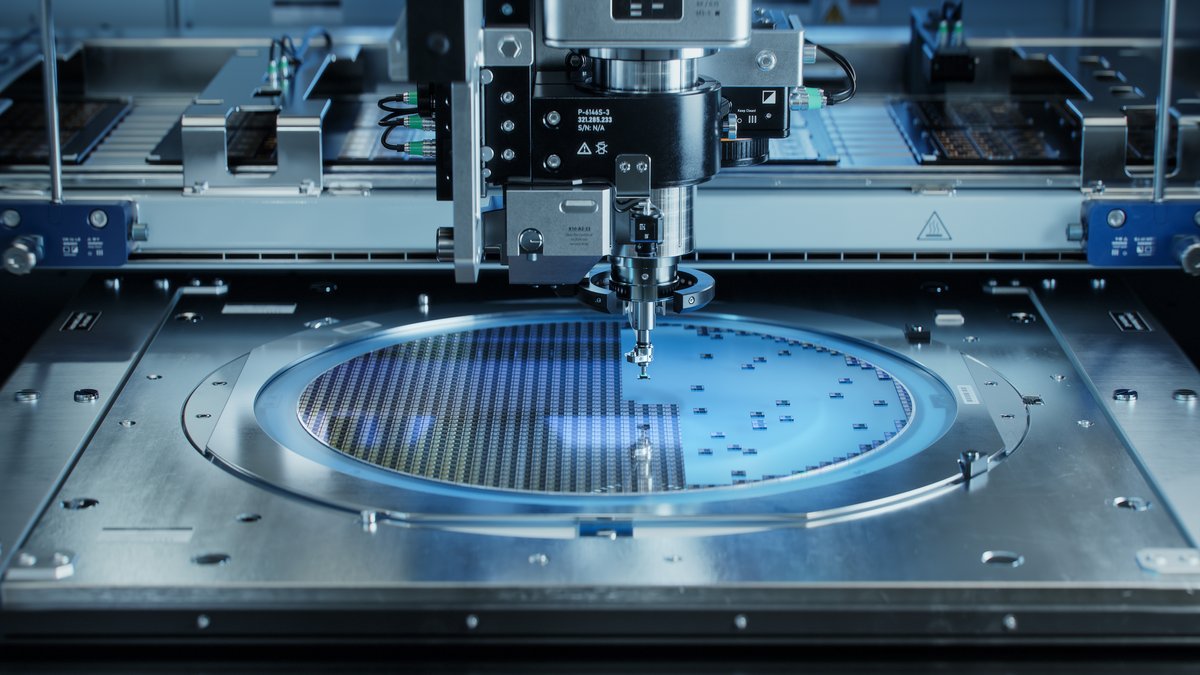
The production of UV LEDs involves a number of steps:
Design of the LED heterostructure and chip layout, growth of the substrates and base layers, epitaxy of the semiconductor heterostructure, processing of LED devices at wafer level and finally the separation of the wafers into LED chips and their assembly in packages. UV LEDs therefore consist of many hundreds of semiconductor layers whose composition and doping must be adjusted according to the respective functionality.
The emission wavelength of the LEDs is determined by the composition and doping in which the UV radiation is generated. For all steps, it is important that the electrical power is efficiently converted into optical radiant power. The wall-plug efficiency (WPE) is a particularly important parameter for the application. The overall efficiency of UV LEDs indicates the ratio of the optical radiant power to the electrical power supplied.
UVA-emitting UV LEDs now achieve a WPE of around 30–40 %, while blue-emitting LEDs already achieve a very high WPE of around 80 %. In contrast, LEDs with emissions in the low UVB and UVC range have significantly lower WPEs of less than 5 % to 10 %. For this reason, UVB and UVC LEDs are subject to continuous optimization and technological development. As a result, available LED types have to be replaced by successor types after some time.
Comparison of UV LEDs for UVA, UVB & UVC
Compared to older UV LEDs, the latest UVB and UVC LEDs show significantly higher efficiency and improved performance. Older UV LEDs often suffered from high operating temperatures and rapid degradation, which has been significantly improved by the latest developments. The current generation of UVB and UVC LEDs utilize advanced cooling technologies and improved semiconductor structures and optical couplings that not only extend lifetime but also increase efficiency.
UVB and UVC LEDs do not yet achieve the performance and output of UVA LEDs, but have been able to catch up significantly in recent years.
UVB and UVC LEDs as well as UVA LEDs are manufactured from different substrates and by different epitaxy processes that are specifically tailored to the desired wavelengths and performance requirements. The choice of substrate and epitaxy method has a significant impact on the efficiency, performance and cost of the LEDs.
A technical comparison between UVA LEDs with wavelengths of 365 nm and 385 nm and short-wavelength LEDs at 265 nm (UVC) as well as 285 nm and 295 nm (UVB) is shown below. This table takes into account general parameters such as efficiency, output, service life and typical applications.
| Parameters | UVA LED 365 nm | UVA LED 385 nm | UVC LED 265 nm | UVB LED 285 nm | UVB LED 295 nm |
| Peak wavelength | 365 nm | 385 nm | 265 nm | 285 nm | 295 nm |
| Optical power | 10–1000 mW | 10–1000 mW | 1–30 mW | 1–30 mW | 1–30 mW |
| Efficiency (WPE) | 20–40% | 20–40% | 5–15% | 5–15% | 5–15% |
| Lifetime | Up to 10,000 hours | Up to 10,000 hours | Up to 5,000 hours | Up to 5,000 hours | Up to 5,000 hours |
| Operating temperature | -20 °C to +60 °C | -20 °C to +60 °C | -10 °C to +50 °C | -10 °C to +50 °C | -10 °C to +50 °C |
| Typical applications | Hardening, testing | Hardening, testing | Disinfection, sterilization | Disinfection, sterilization | Disinfection, sterilization |
Explanations:
Peak wavelength: The wavelength at which the LED has the highest emission.
Optical power: The total power of the light emitted by the LED in milliwatts.
Efficiency: The ratio of the emitted optical power to the absorbed electrical power.
Lifetime: The expected operating time of the LED up to a point at which the output drops to a certain percentage of its original value, usually 70% (L70).
Operating temperature: The temperature range in which the LED can operate safely and effectively.
Typical applications: The most common applications for the specific LEDs.
These values in the table are general and may vary depending on the manufacturer and specific LED model. It is also important to note that the efficiency and output of UVC LEDs, especially at shorter wavelengths, are typically lower than UVA LEDs.
While UVA LEDs typically have lower aluminum content in the AlGaN layers, UVB and UVC LEDs require higher aluminum content to achieve shorter wavelengths. Epitaxial deposition for UVB and UVC LEDs is technically more demanding due to the higher aluminum content and the associated higher crystal defects. This leads to higher production costs and lower yields.
In addition, the emitted wavelength fluctuates due to the manufacturing process. For this reason, the UV LEDs are spectrally grouped after separation, a process known as binning. It is important to note that the wavelength can change slightly if the LED is replaced from a different batch. With classic lamps, on the other hand, atomic transitions and particle collisions determine the emission. Therefore, the emission does not change with classic lamps.
Compare wavelengths
The table above compares components; the calculator below compares the wavelengths themselves: photon energy, frequency and above all photons per joule. That last column explains why a process release cannot simply be moved from 365 nm to 395 nm — at the same dose, about eight percent more photons arrive there.

Applications of UVA LEDs
UVA LEDs with wavelengths in the 315 to 400 nm range are used in numerous technical, scientific and industrial fields, playing a central role in non-destructive testing (NDT) and many other innovative applications.
Non-destructive testing (NDT): UVA LEDs are an important tool in fluorescence testing, a sub-area of NDT. They are used to visualize surface defects or differences in materials by exciting fluorescent dyes that are applied to the parts to be tested. This method is commonly used in the aerospace, automotive and metalworking industries to identify cracks, overlaps, pores and other imperfections.
UV curing: One of the most common applications of UVA LEDs is the UV curing of paints, adhesives and coatings. This technology is used in the printing industry, in the manufacture of electronics (e.g. when bonding smartphone screens). UVA LEDs offer the advantage of fast and targeted curing, which shortens process times and increases energy efficiency.
The photoinitiators that have been used in UV curing and UV printing for some time are specially designed to react to the corresponding UVA wavelengths. Additional irradiation with UVB light in the 280 to 300 nm range can improve the curing process.
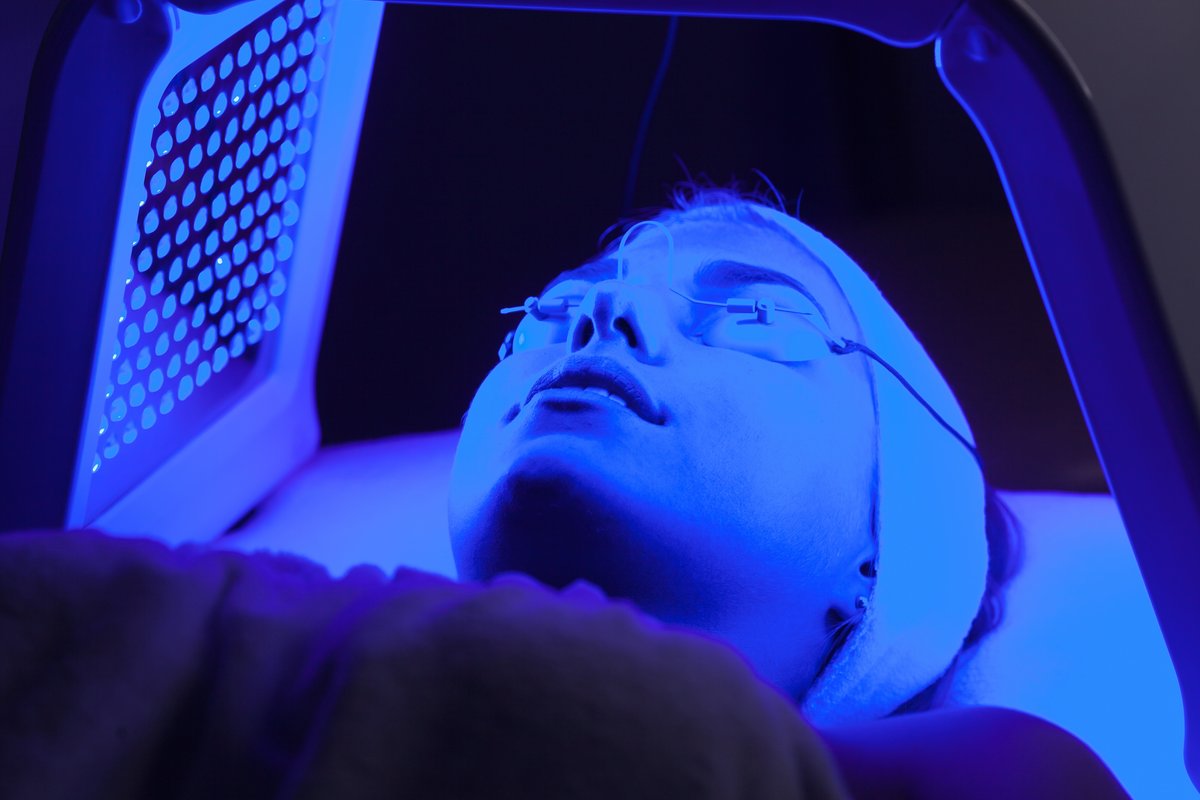
Medical applications: In dermatology, UVA LEDs are used for phototherapy, particularly for the treatment of skin conditions such as psoriasis and eczema. UVA radiation can help to reduce inflammation and alleviate the symptoms of these diseases.
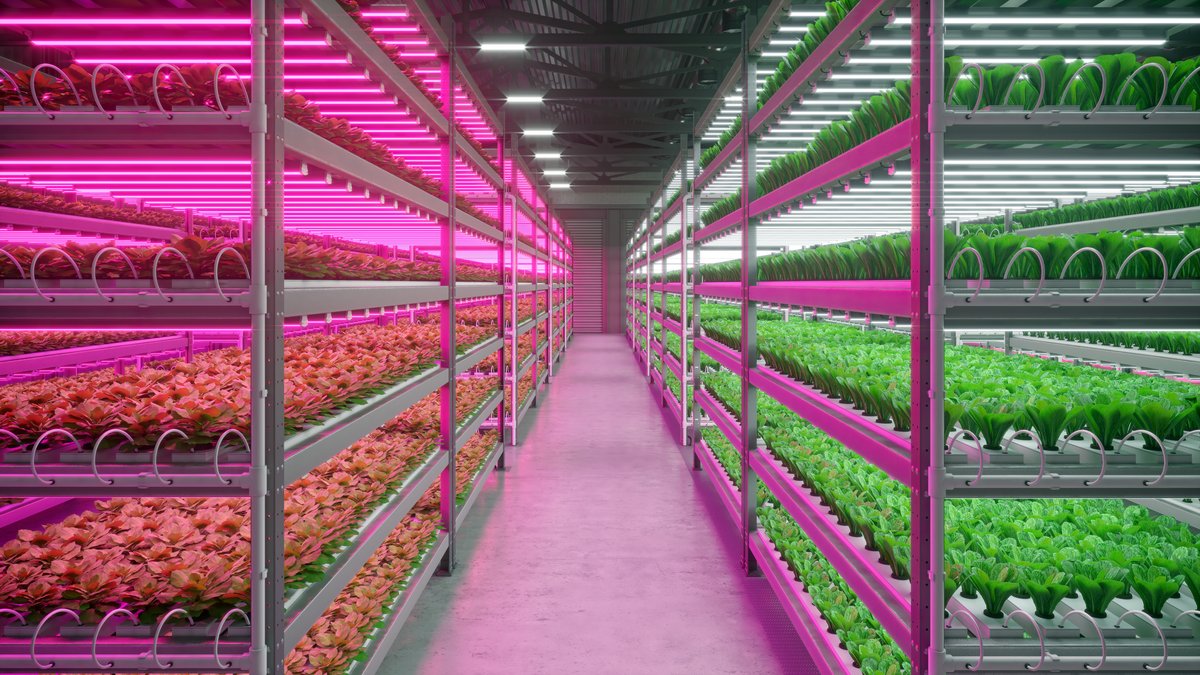
Plant growth and horticulture: UVA LEDs play a role in agricultural technology, particularly in artificial lighting for plant growth in greenhouses. They can help control certain growth processes and increase plant resistance to pests. Irradiation with UVA causes plants to shorten in length.
Forensic applications: In forensic science, UVA LEDs are used to visualize biological traces such as blood, semen or other bodily fluids. This technique is also used to identify forged documents or banknotes.
Analytical applications: In chemistry and biochemistry, UVA LEDs are used to analyze substances by fluorescence spectroscopy. This method makes it possible to precisely determine the composition and concentration of chemical compounds.
Applications of UVB LEDs
UVB LEDs are increasingly being used in medicine for the treatment of skin diseases such as psoriasis and vitamin D synthesis. Alternatively, excimer lamps or lasers with a wavelength of 308 nm have been used in dermatology for many years. UV LEDs are slowly replacing classic UV lamps. The other applications are therefore:
Vitamin D production: UVB radiation is crucial for the natural production of vitamin D in the skin or food. UVB is used in devices to produce vitamin D, vitamin D2 or previtamin D3. When UVB light with a wavelength between 290 and 315 nm hits the skin, the B ring structure of the 7-DHC molecule is broken down. This process is called photolysis.
Unlike humans, who synthesize vitamin D by exposing the skin to UVB radiation, plants do not produce vitamin D in the same way. When fungi and some algae species are exposed to UV radiation, the ergosterol present in their cells can be converted to ergocalciferol (vitamin D2) by a photolytic reaction similar to that which occurs when vitamin D3 is synthesized in human skin. UVB radiation breaks specific bonds in the ergosterol molecule, which leads to its conversion into previtamin D2. Similar to the synthesis of vitamin D3 in humans, the unstable previtamin D2 is converted into the stable vitamin D2 through heat-dependent isomerization.
Tanning: In the cosmetic industry, UVB LEDs and UV lamps can be used in tanning devices to achieve an even and controlled skin tan.
Phototherapy: In medical treatment, UVB is used for phototherapy, particularly for skin conditions such as psoriasis and vitiligo. UVB radiation can help to normalize the overactive skin cells and alleviate the symptoms of these diseases.
Plant cultivation: UVB LEDs also have applications in plant breeding, as UVB light affects the growth, flowering time and secondary metabolites of plants. Irradiation with UVB light can help to increase the production of certain plant constituents such as vitamins, aromas and colorants.
THC production in cannabis: A specific application of UVB LEDs is the optimization of THC production in cannabis. UVB radiation is known to increase stress in plants, which in turn can increase the production of secondary plant compounds such as THC. This is particularly used in legal cannabis growing environments to improve the potency and quality of plants.
Material testing: UVB is used in accelerated aging testing of materials to simulate solar radiation and evaluate the long-term stability of plastics, paints and other materials.
Applications of UVC LEDs
The progressive development of UVC LEDs in terms of efficiency, durability and cost makes them an increasingly attractive option for many areas where mercury vapor lamps have traditionally been used. Therefore, the general applications are:
UV disinfection: one of the most prominent uses of UVC is the disinfection of water, surfaces and air. UVC radiation is highly effective in inactivating bacteria, viruses and other microorganisms, as it damages their DNA or RNA and thus prevents them from reproducing.
UVC LEDs are used in compact water treatment systems to remove pathogenic germs from drinking water at the point of use, i.e. the tap.
Surface disinfection: In hospitals, laboratories and in food processing, portable or permanently installed UVC devices are used that emit UVC radiation to sterilize tools, packaging and work surfaces. Alternatively, UVC lamps are integrated into air conditioning and ventilation systems to clean the air of germs and prevent the spread of disease.
Wound care: UVC LEDs will also be used in medical treatment and wound care in the future, particularly for treating hard-to-heal wounds and infections. The application of UVC light to infected wounds can inhibit the growth of bacterial pathogens and promote healing. It is important to dose the radiation precisely so as not to damage the skin.
Direct photopolymerization: UVC LEDs are rarely used for photopolymerization: their radiation is absorbed in the topmost resin layer, and the available power is far below that of UVA LEDs. For coatings, adhesives and 3D printing resins, UVA LEDs at 365 to 405 nm are the norm.
Other analytical applications:
UVC LEDs serve as light sources in spectroscopy, where they are used to analyze chemical and biological samples, such as u fluorescence or absorbance measurement in environmental monitoring.
Which wavelength suits UV adhesives?
Photoinitiators absorb only within a limited band. An initiator designed for 365 nm is barely excited by a 405-nm source – even if that source is more powerful. The industrial UV LED peaks at 365, 385, 395 and 405 nm are different chemical offerings, not interchangeable power classes (UV-int – UV wavelength selection; ScienceDirect – Specific photoinitiating systems at 365, 385, 395 and 405 nm). The selection starts with the adhesive data sheet and ends with a measurement at the actual source. A common source of error: a type designation states the nominal peak wavelength, not the spectral full width at half maximum (FWHM), manufacturing tolerances or the shift with junction temperature.
365, 385, 395 or 405 nm – spectral ranges and applications
| Wavelength | Characteristics | Typical photoinitiator / material compatibility | Typical applications |
|---|---|---|---|
| 365 nm | Highest photon energy of the four peaks (3.39 eV); historically the i-line peak of mercury vapour lamps; tends to penetrate clear materials more deeply | Compatible with classic photoinitiators formulated for mercury lamps; often the first choice for existing, unchanged adhesive releases | Thicker, clear potting compounds; optical bonding; converting existing mercury-lamp processes to LED (UV-int; Incure Lab) |
| 385 nm | Balanced ratio of penetration depth and surface cure (3.22 eV); broad compatibility with many dual-cure initiators | Adhesives reformulated for LED curing with a data sheet range of 380–390 nm | Parts with mixed demands on depth and surface cure; lines running several workpiece types (Incure Lab) |
| 395 nm | Industry standard with high energy efficiency and long LED service life (3.14 eV); many modern adhesive formulations are reformulated to 390–400 nm | Broad material compatibility; partly penetrates UV-blocking additives that begin to transmit in the near-visible range | General industrial curing, electronics manufacturing, digital printing, high-throughput series lines (UV-int) |
| 405 nm | Lowest photon energy of the four peaks (3.06 eV); closer to visible light; efficient surface cure, lower penetration depth; minimal additional thermal load | Free-radical photoinitiators possible at reduced efficiency; formulation range usually 400–410 nm | Surface cure, heat-sensitive parts, 3D printing and dental resins, medical adhesives (Incure Lab) |
Note: The table describes general tendencies from the technical literature. Which wavelength fits a specific case depends on the photoinitiator actually used and on the transmission of the joining part, and should be measured on the real assembly – not inferred from the nominal LED designation.
How to lay out and release a bonding or potting process from this is shown under designing UV bonding and potting processes; which material class suits the application is covered under selecting UV-curing adhesives, coatings and potting compounds.
Substrates & epitaxy for UV LEDs:
- UVA LEDs (315 nm to 400 nm):
Sapphire (aluminum oxide) is often used as a substrate as it is inexpensive and readily available. Other substrates such as silicon carbide (SiC) or silicon (Si) are also in use to take advantage of thermal conductivity and compatibility with existing semiconductor manufacturing technologies. The epitaxial layer is deposited by Metal-Organic Chemical Vapor Deposition (MOCVD) and typically consists of aluminum gallium nitride (AlGaN), with the aluminum content being adjusted depending on the desired emission.
- UVB LEDs (280 nm to 315 nm) and UVC LEDs (100 nm to 280 nm)
The same substrates are often used for UVB and UVC LEDs as for UVA LEDs, but the requirements for material quality and purity are higher, especially for the shorter wavelengths in the UVC range. Alternatively, native substrates such as aluminum nitride (AlN) are also used, which enable a better grating match and therefore lower defect densities. AlGaN is also used here as an epitaxial layer, but with a higher aluminum content in order to achieve the shorter wavelengths. The epitaxial layer is also formed using MOCVD, whereby particular attention is paid to the control of defects and the homogeneity of the layer.
Heat input: UV LED compared with the discharge lamp
Besides the usable UV radiation, UV lamps emit a large infrared component, because the plasma and the hot lamp envelope radiate much of their loss as heat. With UV LEDs the loss is conducted away to the heat sink or the water cooling instead and does not reach the part as radiation. The radiative heat input is therefore considerably lower.
Lower does not mean negligible, however: high-power modules reach irradiance levels of several W/cm² at the surface of the irradiated material – a power density of the order of a cooking hob. Even without an infrared component the part heats up noticeably. For temperature-sensitive substrates the time profile of the irradiation therefore has to be considered alongside the dose, and the component temperature belongs in the process assessment.
A second point concerns the long-wave end of the range: LEDs emitting above 400 nm are strictly speaking blue LEDs. Here the photochemical retinal hazard (“blue light hazard”) has to be assessed. The fundamentals are described on the page occupational safety and photobiological safety; for laboratory work and manual bonding, enclosed UV LED irradiation chambers are the safer solution.
The irradiance actually arriving at the part can be monitored during the process with UV meters and radiometers; calibration for individual LED wavelengths is carried out by the accredited calibration laboratory.
Which meters capture the spectrum, irradiance and radiant flux of UV LEDs at 365 to 405 nm is shown on the page Measurement technology for UV LEDs.
Frequently asked questions on measuring UV LEDs
How are pulsed UV LEDs measured correctly?
The decisive distinction is between the pulse peak value and the time average. An instrument with a long integration time, such as a spectrometer, shows the average, that is peak value times duty cycle – correct for the dose, wrong for judging the peak irradiance. For the peak value an instrument is needed whose bandwidth lies well above the pulse frequency, or a measurement triggered on the pulse.
What efficiency do UV LEDs achieve?
The overall efficiency, known as wall-plug efficiency, relates the optical radiant power to the electrical power drawn. UVA LEDs reach about 30 to 40 %, blue-emitting LEDs already around 80 %. LEDs in the deep UVB and UVC range are considerably lower, at under 5 to 10 %. The reason lies in manufacturing: shorter wavelengths require higher aluminium contents in the AlGaN layers, which complicates epitaxy, produces more crystal defects and lowers the yield. UVB and UVC LEDs are therefore under continuous development, and available types are replaced by successor types after a while.
What does binning mean for UV LEDs?
The emitted wavelength varies for manufacturing reasons. After the wafers are singulated, the LED chips are therefore grouped spectrally – this sorting is called binning. The practical consequence: if an LED is replaced by a device from a different batch, the emission wavelength can shift slightly, and a sensor with narrowband weighting will then display different values. This does not happen with classical lamps, because there the emission is set by atomic transitions and particle collisions and does not shift when the lamp is changed.
How long do UV LEDs last?
UVA LEDs reach up to 10,000 operating hours, UVB and UVC LEDs up to 5,000. Lifetime is usually stated as L70, that is the operating time after which the radiant power has fallen to 70 % of its initial value. The permissible operating temperature also differs: −20 °C to +60 °C for UVA LEDs, −10 °C to +50 °C for UVB and UVC LEDs. Because the output decreases continuously over the lifetime, dose-controlled process regulation is preferable to a fixed exposure time.
UV measuring devices for the evaluation of standards and guidelines
Radiometer RMD Pro
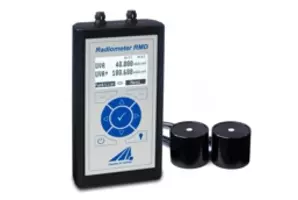
All-digital handheld radiometer for irradiance and dose with two sensor inputs and 8 GB memory.


Author: Dr. Mark Paravia
Dr.-Ing. Mark Paravia is the managing director of Opsytec Dr. Gröbel GmbH in Ettlingen and heads the accredited calibration laboratory. Following his research on pulsed xenon excimer discharges at the Institute of Lighting Technology at KIT, his current focus is on optical radiation measurement technology. He is vice-chair of the DIN Standards Committee FNL 7 “Optical Radiation,” and a member of the DVGW Project Group on UV Disinfection.